🦞 The Next Phase
Plus: The AI Divide, Real TikTok Playbook, OpenClaw Lands on Jetson
Good Morning, OpenClaw Owners!
The real upgrade isn’t the model and it’s learning when not to build.
OpenClaw’s Next Phase
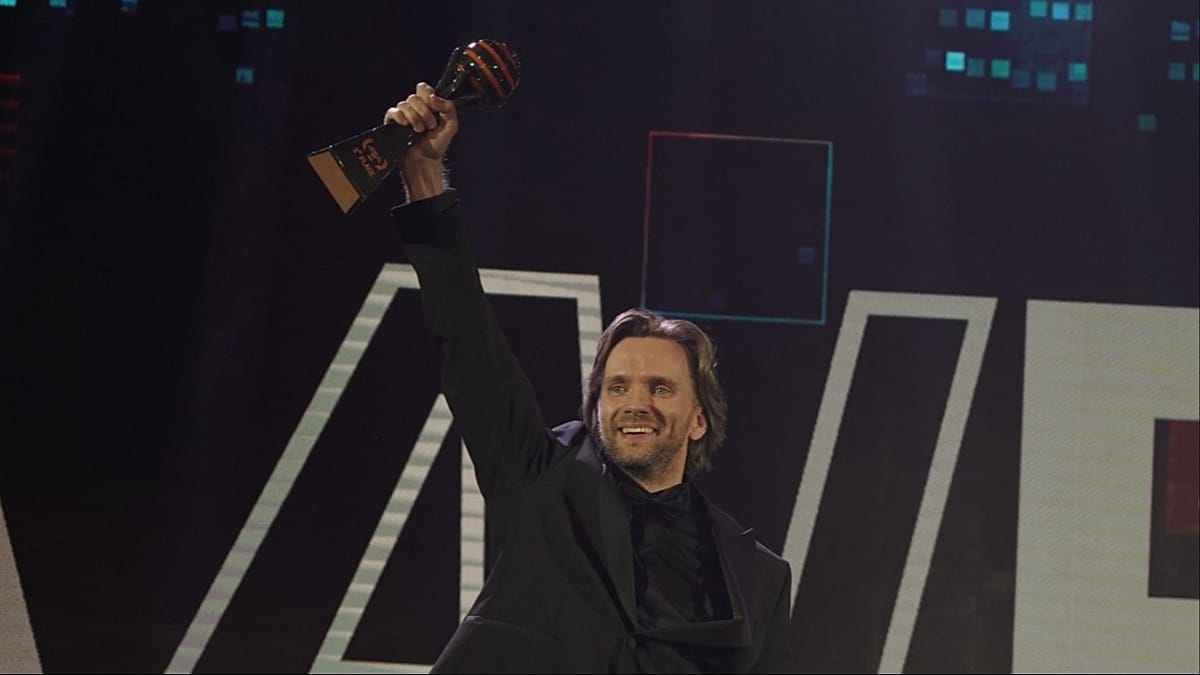
Peter’s speech begins at 1:25:18.
TL;DR: At AI Engineer Europe, Peter Steinberger framed OpenClaw as a project leaving its chaotic breakout phase and entering a harder one: governance, security, and durability.
He said OpenClaw is now only five months old yet already huge, which pushed him to launch an independent foundation, reduce the project’s bus factor, and bring in contributors from Nvidia, Microsoft, Red Hat, Tencent, ByteDance, and others to avoid any single company owning it.
In the AMA, he directly addressed fears of “Closed Claw,” insisting OpenClaw will stay open, model-agnostic, and compatible with both frontier and local models. He also answered questions on security, prompt injection, dreaming-based memory, local-first personal agents, and why future builders will need taste, system design, and the ability to say no
OpenClaw Reveals AI Divide
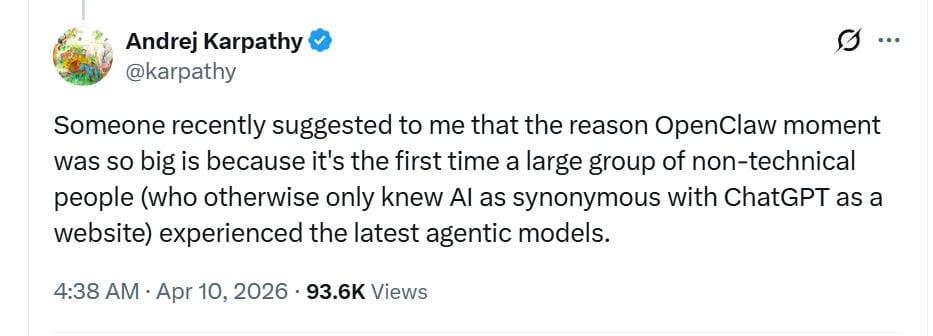
TL;DR: Andrej Karpathy points to OpenClaw as the moment non-technical users first experienced frontier agentic models, exposing a sharp divide: one camp relies on outdated, free-tier chat models and sees little progress, while another uses frontier agentic systems like Codex and Claude Code professionally and witnesses dramatic leaps. OpenClaw bridged that gap briefly, but the underlying split in perception—and capability—remains unresolved.
GBrain Brings Memory to OpenClaw
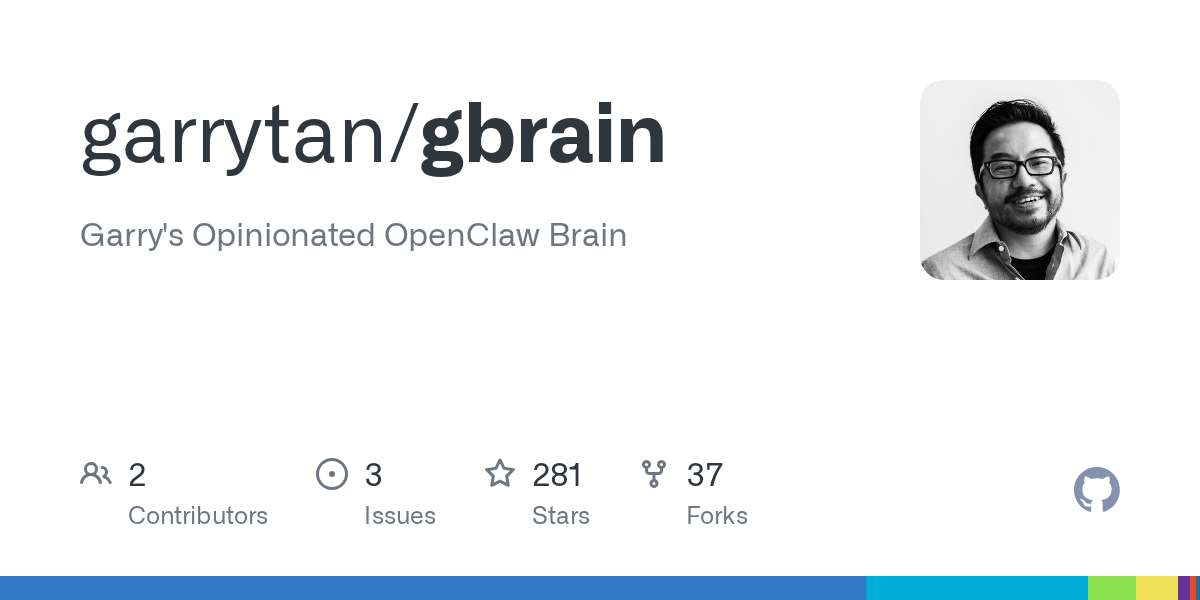
TL;DR: Y Combinator CEO Garry Tan open-sourced GBrain, his extended version of Karpathy’s LLM Wiki built on OpenClaw, adding a Postgres pgvector-backed “knowledge brain” with structured memory, search, and agent loops. Designed as a personal "mini-AGI" layer, Garry claims it scans local data, organizes knowledge, and runs continuous updates, pushing OpenClaw further toward persistent, memory-driven agents.
OpenClaw Real TikTok Playbook
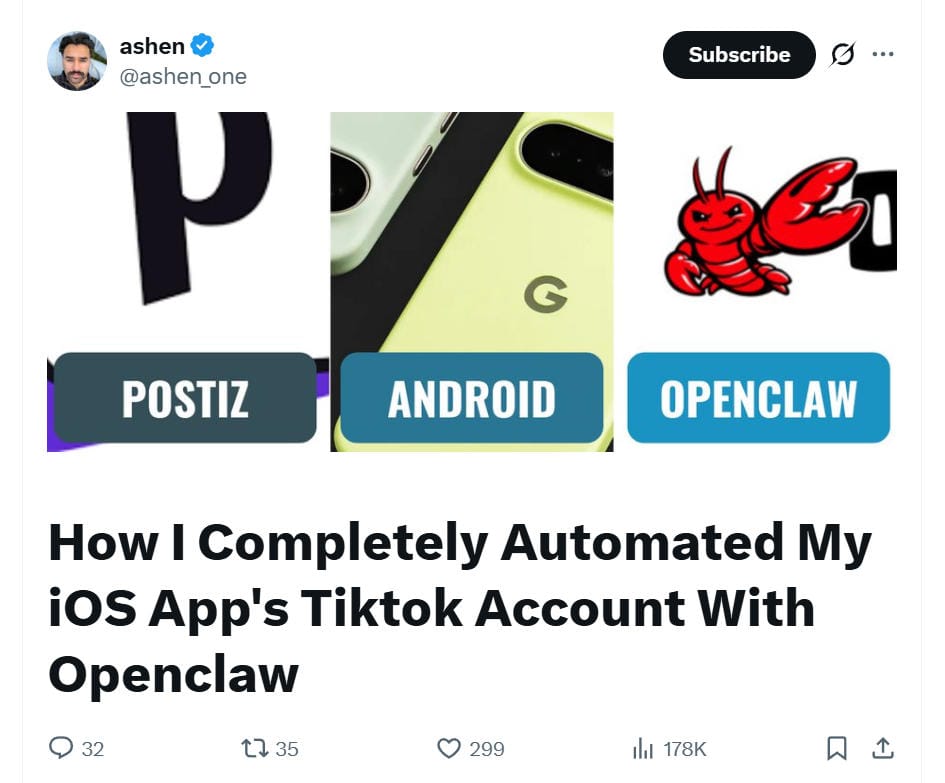
TL;DR: A developer shared a hands-on OpenClaw tutorial for automating TikTok slideshow marketing, using Gemini-generated images, Postiz for scheduling, and a cheap Android phone as the final posting layer. The guide argues that full automation only works when agents avoid direct API posting, warm accounts like real users, and use physical-device control to sidestep reach-killing platform limits.
OpenClaw Lands on Jetson
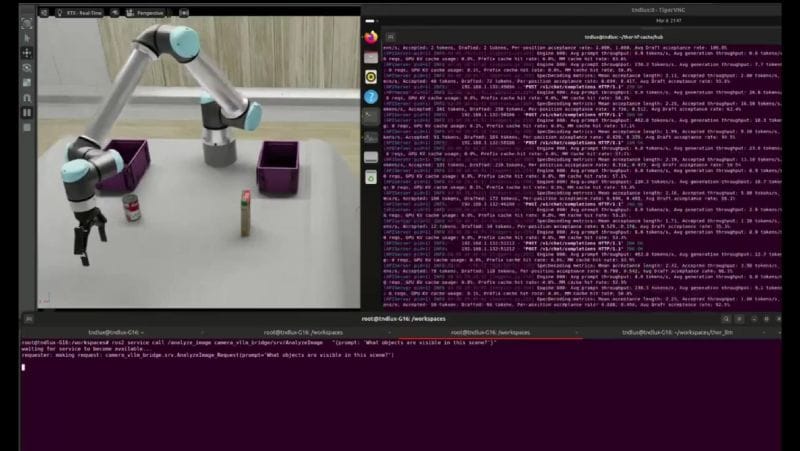
TL;DR: NVIDIA highlighted that OpenClaw is now running fully on its Jetson edge platform, showing how open-source agent systems can move from cloud demos to real-world robotics. With NVIDIA’s robotics stack, developers can deploy OpenClaw for real-time testing and even enable robots to generate their own code, pushing agentic AI into physical autonomy on the edge.
Run OpenClaw on MyClaw.ai - No setup, No tech skills, Always-on 👇