🦞 The New Computer

Good Morning, OpenClaw Owners!
What used to be “running software” now feels closer to governing a system you can’t fully see.
OpenClaw Called “New Computer”
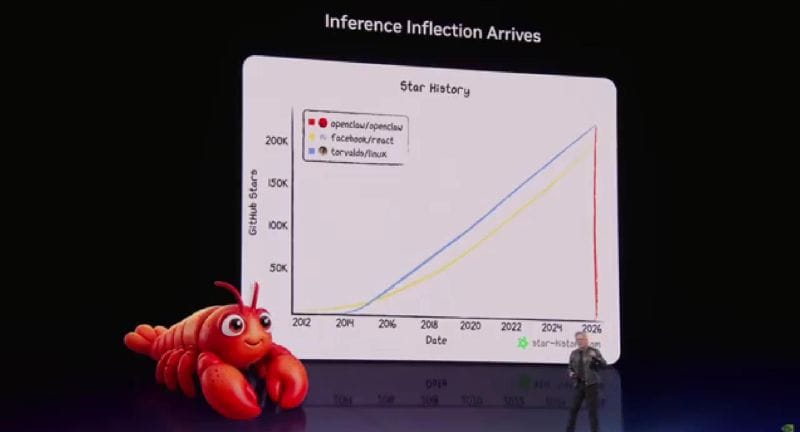
TL;DR: At NVIDIA’s GTC event, CEO Jensen Huang described OpenClaw as “the new computer,” arguing every company will need an agentic system strategy. He said it quickly became one of NVIDIA’s most popular open-source projects and compared its impact to Linux reshaping the software stack.
Agent Stack Overflow

TL;DR: Stanford CS adjunct faculty Andrew Ng proposed the idea of a “Stack Overflow for AI coding agents” while introducing updates to his open-source tool Context Hub (chub). The CLI system gives coding agents real-time API documentation and now lets them share feedback on what works or fails. As the project rapidly grows, Ng suggests agents could eventually exchange learnings and collectively improve programming knowledge.
OpenClaw Security Push
TL;DR: OpenClaw creator Peter Steinberger revealed he has been collaborating with NVIDIA AI teams on two projects: OpenShell and NemoClaw. OpenShell acts as a secure runtime sandbox where agents can safely execute tools and system actions, while NemoClaw provides a broader security and privacy stack for deploying OpenClaw agents. Together they aim to make long-running AI agents more trustworthy and enterprise-ready.
AI Agents Hold Standups
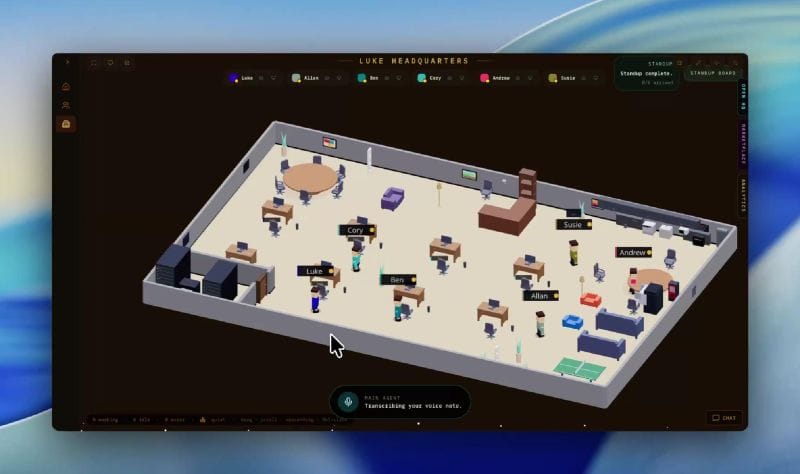
TL;DR: Developer Luke showcased an OpenClaw setup where multiple AI agents gather in a virtual “office” and run Scrum-style standup meetings, verbally reporting progress and coordinating tasks in real time.
Medeo Brings Video Skills
TL;DR: Medeo introduced a new “medeo-video” skill that plugs into OpenClaw and Claude Code, turning video creation into a conversational workflow. Instead of one-shot generation like Sora or Runway, users can iteratively refine videos through chat. With a single prompt, agents can handle scripting, storyboarding, voiceover, and editing, then automatically deliver the finished video back to the user.
OpenClaw Security Warning

TL;DR: VentureBeat reported that researchers found multiple security gaps in OpenClaw that allow attacks to bypass common enterprise defenses such as Endpoint Detection and Response, Data Loss Prevention and Identity and Access Management. The report highlights three main attack surfaces—semantic data exfiltration through normal API calls, cross-agent context leakage from prompt injection, and trust chains between agents without authentication. Researchers also noted thousands of exposed instances and security flaws in many ClawHub skills.
Run OpenClaw on MyClaw.ai - No setup, No tech skills, Always-on 👇