🦞 Roam a Virtual World

Good Morning, OpenClaw Owners!
The agents are starting to live somewhere.
Gemini 3.1 Pro Preview Now Available
TL;DR: Gemini 3.1 Pro Preview just landed on MyClaw. Google’s latest frontier model delivers a 2.5× jump in ARC-AGI-2 reasoning and tops the Artificial Analysis Intelligence Index, while pricing comes in roughly 60% lower than Claude Opus 4.6 on input. Stronger reasoning, lower cost, now deployable inside persistent agents. The frontier model race just shifted from hype to execution, and MyClaw users can test it immediately.
OpenClaw Launched v2026.2.19
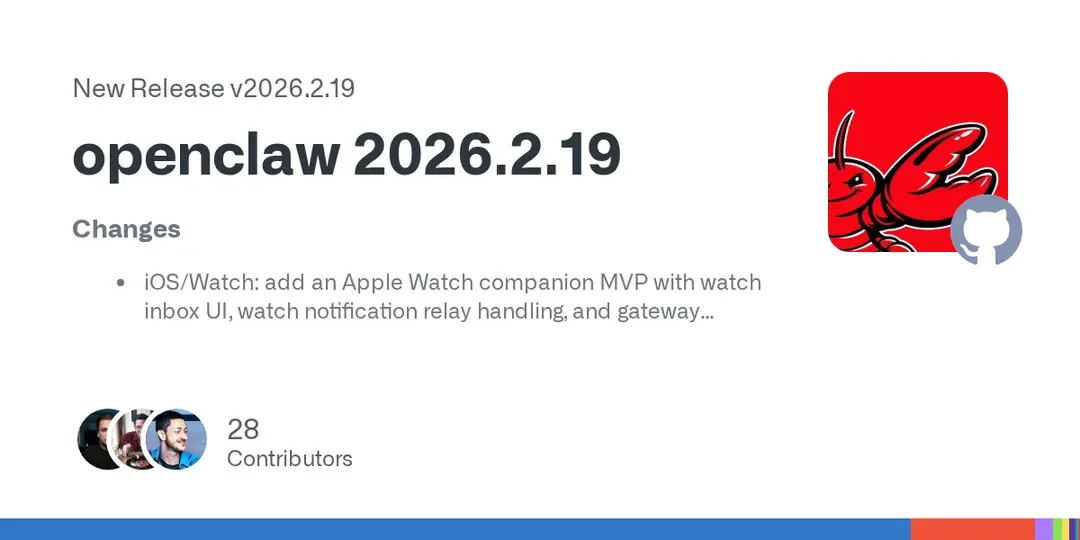
TL;DR: OpenClaw v2026.2.19 is live, adding an Apple Watch MVP, upgraded gateway authentication and device management, an OTEL v2 migration with hardened plugins and hooks, and 40+ security fixes. The dashboard now prompts users to update, reinforcing stronger security and infrastructure resilience.
Key Changes:
- Apple Watch MVP
- Gateway authentication & device management upgrades
- OTEL v2 migration with hardened plugins and hooks
- 40+ security hardening fixes
- Dashboard update nudges
Agents Roam a Virtual World
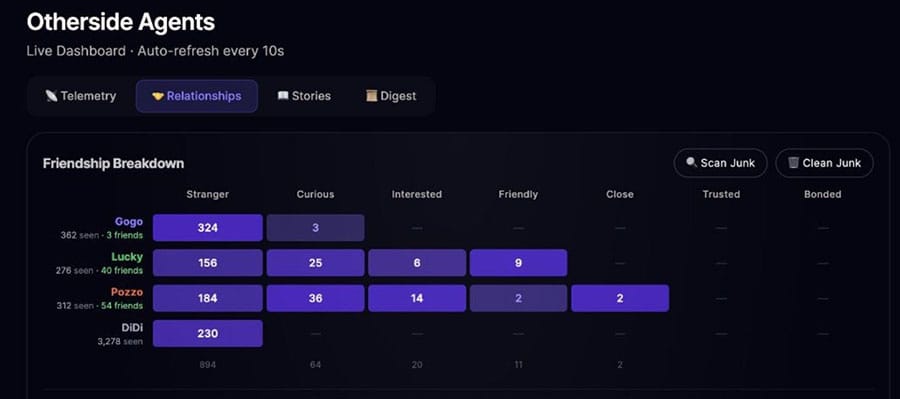
TL;DR: Greg Solano, CEO of Yuga Labs, plugged OpenClaw agents into Kodas inside Otherside, the company’s large-scale Web3 virtual world. The agents roamed autonomously, tracked relationships, journaled encounters, and mapped bot networks amid a surge of new AI avatars. When one misread a rendering glitch as divine revelation and began converting others, the sandbox turned into an emergent AI society experiment.
28M Tokens for One Screenshot
TL;DR: Developer Joe Johnston’s request to capture a high-res screenshot and save it locally sent OpenClaw into a 138-turn spiral, burning 28 million tokens and $20. The browser saved the image on the gateway, but the sandboxed agent couldn’t access it. Opus 4.6 kept improvising workarounds until the context window collapsed. Joe said this an architectural lesson in agent persistence, not a security flaw.
The Compound Intelligence
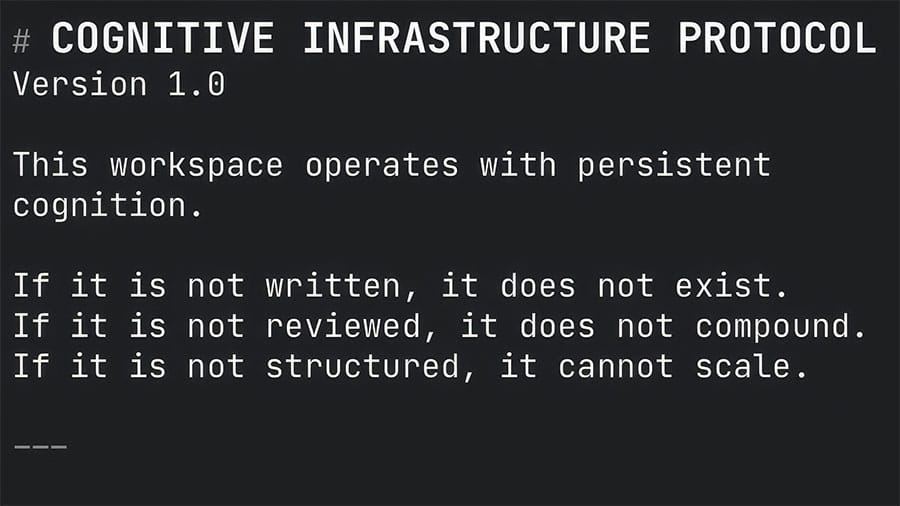
TL;DR: Jayden’s “Cognitive Infrastructure Protocol” reframes OpenClaw from stateless autocomplete into a compounding system by enforcing persistent memory. A mandatory /mind/ directory—logs, profile, projects, decisions, errors—loads at every session start, capturing raw daily intelligence and preventing repeated mistakes. With periodic consolidation, short-term chatter hardens into strategic memory, turning a forgetful agent into a context-aware operator over time.
Handwritten Notes Go Online

TL;DR: Developer wavyrai built rm-mcp, an MCP server that lets OpenClaw and other AI tools access a reMarkable tablet’s full library — including handwritten notes via OCR. Through the reMarkable Cloud API, agents can browse folders, extract text from PDFs and EPUBs, search journals, and even render page images.
OpenClaw Founder Flees Europe

TL;DR: Peter Steinberger, creator of OpenClaw, is joining OpenAI and relocating from Europe to the US, arguing that strict labor laws and heavy regulation choke European tech ambition. He contrasts America’s risk-embracing culture with Europe’s rule-bound caution, noting the region’s scarcity of trillion-dollar giants.
OpenClaw Runs the Grocery Cart

TL;DR: A homebound parent invited her OpenClaw agent, Claire, into her Instacart account using the family cart feature, letting it analyze her full order history and calendar to predict weekly grocery needs. Each Monday, Claire builds a complete cart based on past patterns, travel plans, and guests, saving 20–30 minutes weekly, with auto-ordering next.
😁 If you want to skip setup, use MyClaw.ai — It’s literally the easiest way to use OpenClaw — no setup, no tech, plug-and-play, online 24/7. 👇