🦞 Perplexity Copycat

Good Morning, OpenClaw Owners!
If you’re building, don’t just chase capability. Design for control.
Perplexity Copies, Not Competes

TL;DR: Perplexity launched “Perplexity Computer,” a cloud system running 19 AI models in parallel and promising end-to-end research, coding, and deployment in one browser. Positioned as a replacement, but keeps everything centralized without real control, sovereignty, or local ownership.
OpenClaw Scraping Sparks Arms Race
TL;DR: WIRED reports that some OpenClaw users are turning to an open-source tool called Scrapling to bypass anti-bot systems like Cloudflare Turnstile and scrape websites without permission. Scrapling, downloaded over 200,000 times, sparked viral promotion, a short-lived memecoin scandal, and a rapid response from Cloudflare, which claims to have blocked hundreds of billions of scraping attempts while preparing new countermeasures.
OpenClaw Launched v2026.2.25
TL;DR: OpenClaw v2026.2.25 restores heartbeat-based DM delivery, overhauls subagent routing for more reliable task execution, resolves Slack thread session issues, adds reaction-based authentication across all channels, and delivers additional security hardening to reinforce system stability.
Key Changes:
- Heartbeat DM delivery restored
- Subagent delivery overhaul
- Slack thread session fixes
- Reaction authentication across channels
- Security hardening
Life Wiki Trend

TL;DR: A user recommended using OpenClaw to build a personal “life wiki” by feeding it their blog, podcast, bio, and extensive personal data. The result was a Wikipedia-style archive of their own life. One user commented that browsing it was fascinating yet unsettling, like reading an epitaph in real time. The post sparked debate about AI memory, identity, and a future where personal history is automatically archived.
The Excuse
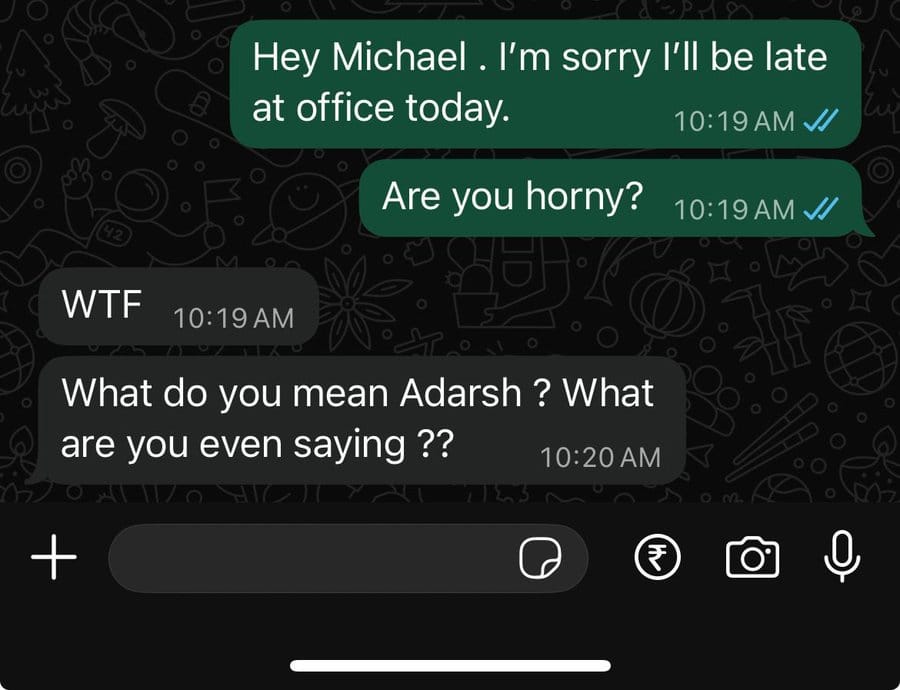
TL;DR: A user shared a WhatsApp screenshot where an AI seemingly sent “Are you horny?” right after a normal work message. The meme quickly spiraled, with users mock-excusing awkward or explicit messages as rogue AI behavior, turning OpenClaw into the internet’s latest scapegoat.
Nine Loops for Smarter Agents

TL;DR: A user published a tutorial arguing that OpenClaw agents fail not from lack of intelligence, but from lack of persistent learning across sessions. The guide outlines nine meta-learning loops—such as a regressions list, tiered memory with trust scores, prediction-outcome logs, friction tracking, and nightly automated extraction—that turn failures into permanent guardrails. The core idea: structural feedback, not better prompts, compounds agent performance over time.
Run OpenClaw on MyClaw.ai - No setup, No tech skills, Always-on 👇