🦞 OpenSource Security Alarm
Plus: Pi Starts Fighting Slop, Ghost Editor Went Viral

Good Morning, OpenClaw Owners!
AI got good enough to scare open source, bad enough to flood GitHub with slop.
OpenSource Security Alarm

TL;DR: After Cal.com, a well-known open scheduling infra, announced it would close its core codebase over AI vulnerability scanners that can comb through open code and expose sensitive scheduling systems more easily, Peter Steinberger said the same threat is already hitting OpenClaw. He argued models like GPT 5.4-Cyber/Mythos are making reverse engineering and exploit discovery much easier, which is why OpenClaw has been moving so aggressively on code hardening, advisories, and rapid security-focused iteration despite the painful regressions users keep feeling.
Pi Starts Fighting Slop
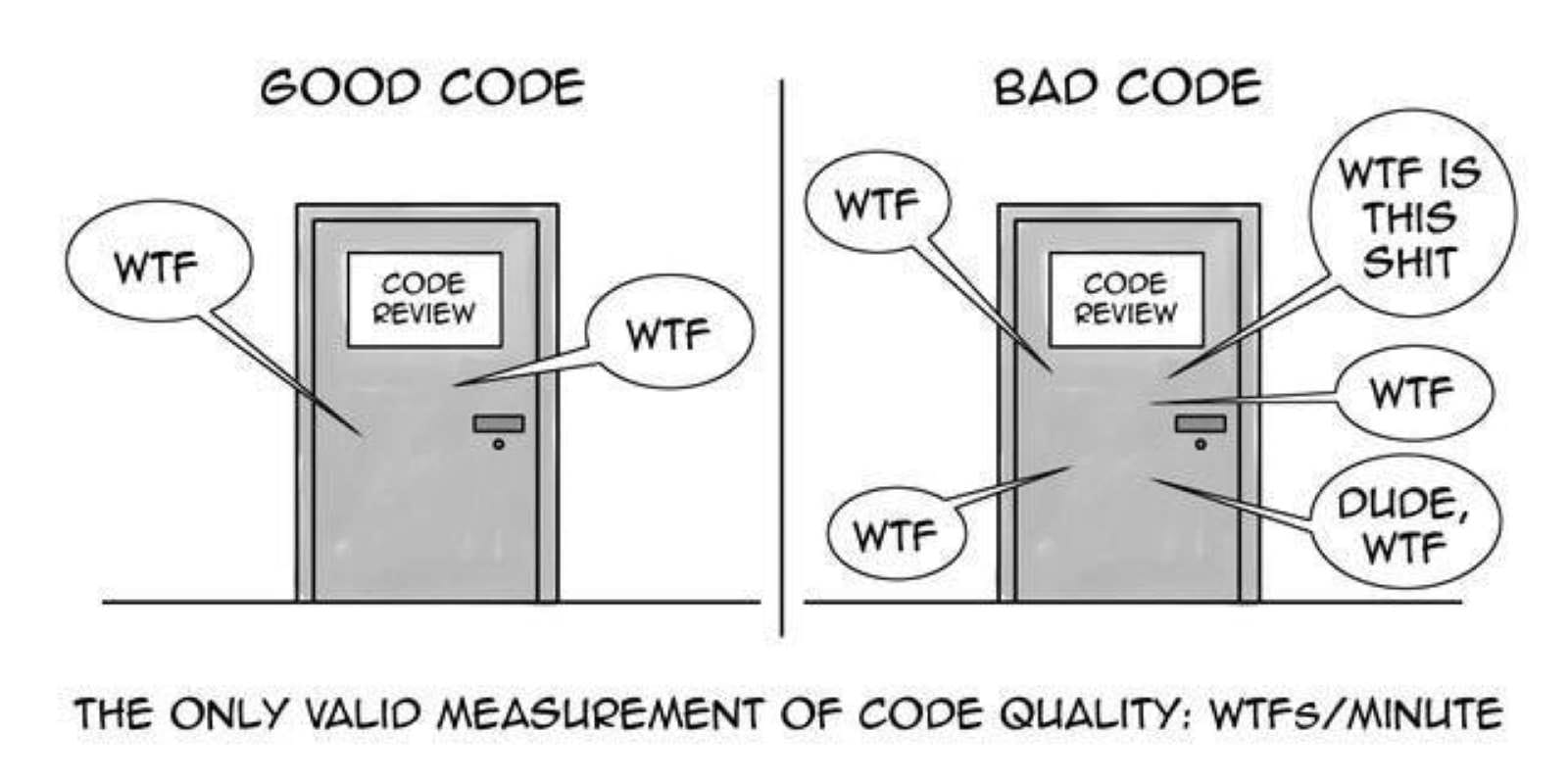
TL;DR: Pi, the agent framework underneath OpenClaw, introduced a stricter contribution model after maintainers started receiving 30 to 50 AI-generated GitHub issues a day. New issues and PRs are now auto-closed unless contributors prove they can submit useful work. At the same time, OpenClaw creator Peter Steinberger was still contributing code directly to Pi, fixing cache affinity in the OpenAI Responses provider to improve prompt caching, which is a useful example.
Ghost Editor Went Viral

TL;DR: A developer said his OpenClaw-powered clipping system kept posting videos for two weeks while he focused elsewhere, generating thousands of views with almost no human input. He posted this step-by-step stack used OpenClaw, FFmpeg, Whisper, MiniMax, and Postiz to find clips, write hooks, schedule posts, and even evolve strategy over time. He argued the real advantage is not discipline but building systems that keep working when motivation disappears.
MyClaw Kills Setup
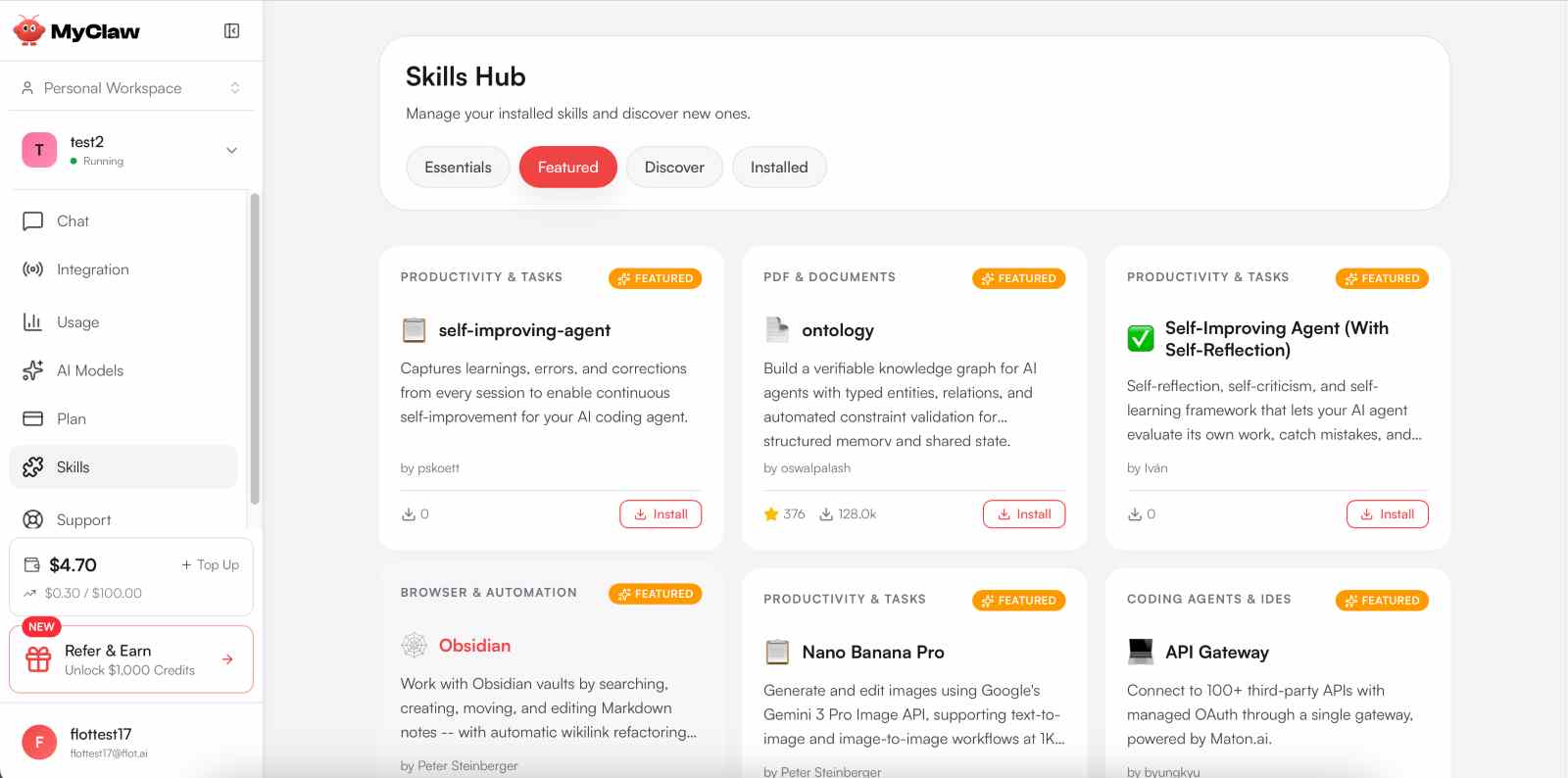
TL;DR: MyClaw integrated OpenClaw 4.10’s 13,000-skill marketplace into its own Skill Hub to make AI agents work instantly instead of forcing users through manual setup. Essential Skills come preconfigured, core preferences use zero tokens, managed hosting reduces the risk of unstable installs and broken workflows, and installing skills requires no tokens at all.
OpenClaw Has Changed

TL;DR: After criticism that OpenClaw has no real security model, Peter Steinberger argued that may have been true last December, but not anymore. He said OpenClaw now has sandboxes like Docker and OpenShell, per-tool allow and deny prompts, allow-lists, and thousands of hours of security hardening behind it. According to Peter, hundreds of security researchers have also spent months pen-testing OpenClaw, while MyClaw’s managed cloud hosting adds another layer of security for users who do not want to run everything locally.
Twelve Agents First, Then Regret

TL;DR: After spending two days rebuilding a 12-agent OpenClaw setup, one user realized the real problem was scaling too fast before the foundation was stable. Agent files were messy, Slack handoffs were broken, and documentation had been skipped. Rebuilding each agent from scratch, reading the docs, and giving every agent its own Slack app turned a shaky system into something far more workable.
MyClaw instantly match your preferences and workflows. From day one, your assistant actually feels like yours, not a generic chatbot pretending to learn.
Run OpenClaw on MyClaw.ai - No setup, No tech skills, Always-on 👇